



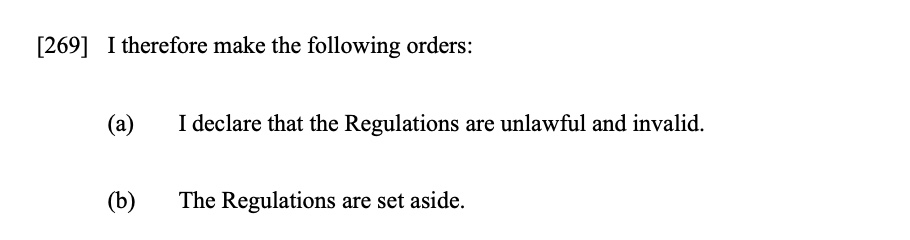
New Zealand’s ban on new puberty blocker prescriptions for trans and gender-diverse young people is gone. In an 87-page judgment released Wednesday, Oct. 21, Justice Dale La Hood of the High Court in Wellington declared the regulations “unlawful and invalid” and set them aside.
The case, Professional Association for Transgender Health Aotearoa Inc v Minister of Health, was brought by PATHA, a professional body for clinicians and others who work in transgender health. The Human Rights Commission took part as an interested party.
La Hood ruled against the government on two grounds: the Ministry of Health’s consultation broke the Medicines Act, and the ban breached section 19 of the Bill of Rights Act through unjustified discrimination on the ground of disability. The judgment treated gender dysphoria and gender incongruence as protected clinical diagnoses; it did not classify being transgender as a disability.
What New Zealand’s Puberty Blocker Regulations Did
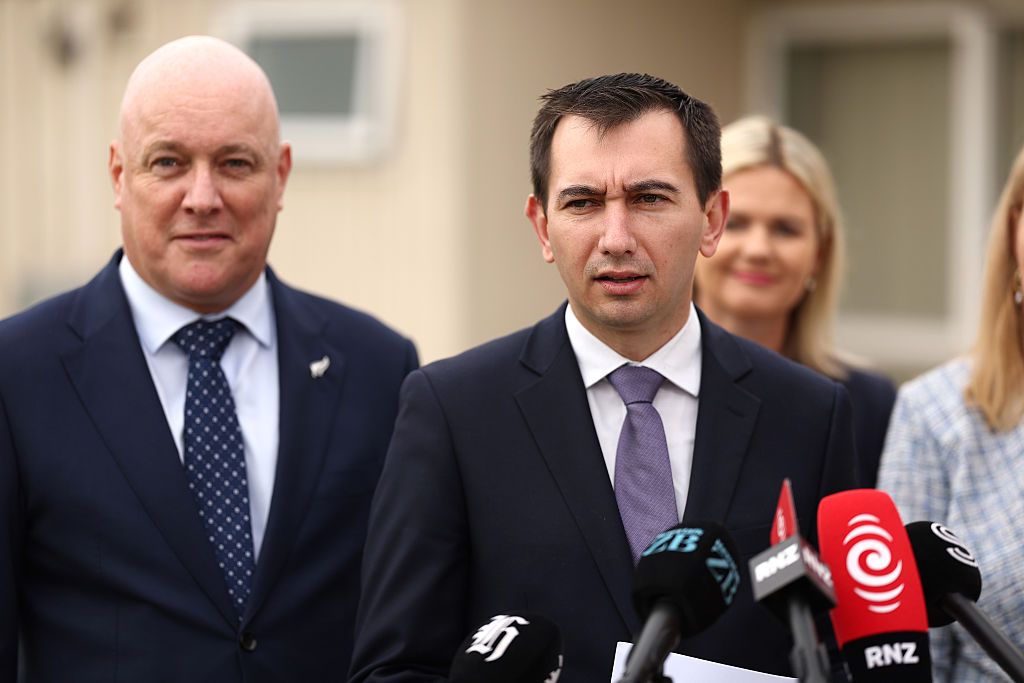
Health Minister Simeon Brown recommended the regulations on Nov. 17, 2025, according to the judgment. They barred doctors from writing new prescriptions of puberty blockers to treat gender dysphoria or gender incongruence in children and adolescents. Kids already on blockers were allowed to stay on them, and the drugs stayed legal for things like early puberty.
The ban was due to start Dec. 19, 2025, but a High Court order that month told the Crown not to enforce it while PATHA’s case was heard. PATHA wanted more and went to the Court of Appeal, which turned it down on Feb. 5 while saying the existing order in effect suspended enforcement. PATHA’s lawyers, led by V.E. Casey KC, argued the case over three days in Wellington in July.
Why Justice La Hood Ruled the Ban Unlawful
In November 2024, under then-Health Minister Shane Reti, the Ministry of Health consulted the public on whether puberty blockers needed “additional safety measures.” Most submissions opposed more restrictions. About 5,800 people answered online and another 2,800 sent emails, The Spinoff reported.
La Hood found people who took part “would not have understood that the Ministry was contemplating or proposing a prohibition on new prescriptions,” and the ministry never carried out the consultation it had planned with gender-diverse young people. La Hood said this breach of the Medicines Act “would, on its own, likely have required the setting aside of the Regulations.”
For the discrimination test, La Hood looked at teenagers who still get the same drugs for short stature, endometriosis, catamenial epilepsy or certain cancers. The “uncontested evidence,” he wrote, is that the risk of harm from blockers is the same for them as for trans kids, and most of their prescriptions are off-label too.
He accepted Brown had “a rational basis” for some limits, given Britain’s moves after the Cass Review. Brown had said the ban would stay until a U.K. clinical trial finished, a trial the judge said “is likely to take many years to complete.”
“Indefinitely prohibiting access to this medicine for those at high risk of seriously poor health outcomes, particularly self-harm and suicide, was not a justifiable limit on the right to freedom from discrimination,” he wrote.
Court Rejects PATHA’s Claims About Cabinet and NZ First
PATHA had also argued that Cabinet, not Brown, really made the call, and that the ban was about NZ First’s “anti-woke” agenda. La Hood rejected both. “I am not in a position to reject the Minister’s evidence that he made his own independent decision,” La Hood wrote.
PATHA’s claims under the Bill of Rights sections on the right to life, cruel treatment and medical experimentation raised “novel and difficult issues,” La Hood wrote, and he left them for another case.
And he was clear the ruling doesn’t settle the medical debate. “It is for the Minister and Cabinet to decide what, if any, restrictions should be placed on access to puberty blockers,” the judgment says. “My role is simply to decide whether the current Regulations were lawfully made.”
PATHA, NZ First and the Health Minister Respond
PATHA president Jennifer Shields said the group was “incredibly relieved,” 1News reported. Vice president Dr. Elizabeth McElrea, a GP, said “decisions about this healthcare are best made by patients and their doctors.” Secretary Avery Zavoda said: “It’s now a matter of law that restricting trans young people’s access to puberty blockers is discriminatory.”
NZ First leader Winston Peters, whose party campaigned on the ban, called for an immediate appeal. “Our country needs to come to our senses and base these critical health decisions on evidence. Not on process,” he said, according to The Spinoff.
In the government’s initial response, Brown did not announce an appeal. “While this uncertainty persists, the government is taking a precautionary approach,” a spokesperson for the minister told 1News, adding the government is “seeking advice on next steps.” Family First NZ chief executive Bob McCoskrie said he was shocked by the ruling.
What Happens Next for Trans Youth Care in New Zealand
The Crown couldn’t enforce the ban while the case ran, so clinics won’t see a sudden change. PATHA said clinicians can keep prescribing in line with best practice.
Any new restrictions would need fresh consultation that meets the judge’s standard, including talking directly to gender-diverse young people. New Zealanders vote Nov. 7, so that job may land with a different government. As of Oct. 27, Gayety had not found public confirmation that the government had filed an appeal. Peters’s call for one is not confirmation of a court filing.
In the United States, the Supreme Court upheld Tennessee’s ban on gender-affirming care for minors in June 2025.


