



A diva can get a room of strangers singing the same song before anyone has exchanged a name. That is part of the appeal. For queer fans, a performer can supply the words, the attitude or the sheer nerve that everyday life sometimes demands they keep quiet.
A gay icon is a public figure whom LGBTQ+ audiences embrace with particular affection. This guide focuses on female performers and the traditions of diva fandom. It is not a rule about what gay men like, and the audience includes lesbians, bisexual people, trans people and fans who use other labels. Nobody has to love Cher to keep their gay card.
What Makes Someone a Gay Icon
There is no official qualification. A voice matters. So can a film role, a stage entrance, a history of activism or one astonishing outfit. Fans choose different points of connection, and they do not have to agree. Someone who came out to “Born This Way” may hear something quite different in it from a fan who simply wants to dance.
Camp, reinvention and solidarity recur in this history. They are useful themes, not a scoring system. A star can become a gay favorite without being an outspoken activist, and a beloved performer can still deserve criticism.
Why Do Gay Men Love Divas? Six Ways to Understand the Appeal
Gay culture has argued about diva worship for as long as there’s been diva worship. Writers, scholars and drag queens have offered competing theories, and the honest answer is that several are true at once.
Camp Gave Gay Men a Language
Camp gives an audience permission to enjoy theatrical excess: an impossible gown, a devastating pause, a gesture performed for the back row. The Met used Susan Sontag’s 1964 essay as the framework for its exhibition on camp and fashion. A diva offers plenty to work with, though neither camp nor diva fandom belongs exclusively to gay men. Our camp explainer follows the idea further.
Fans Found Something of Themselves
Film scholar Richard Dyer examined Judy Garland’s gay following in Heavenly Bodies: Film Stars and Society. JSTOR Daily’s account of his analysis discusses ordinariness, androgyny and camp. It is one way of understanding her appeal, not a psychological diagnosis of every fan. A performance can make someone feel recognized without matching the details of their life.
The Appeal of a Comeback
A comeback gives fans something to cheer for beyond a new single. Cher and Kylie have returned to dance floors across several musical eras. For a fan who has been dismissed, underestimated or told to be less conspicuous, watching someone claim the spotlight again can be satisfying. Others are there for the chorus. Both count.
Drag Made the Diva Portable
Drag turns admiration into a performance of its own. A recognizable voice or gesture becomes material for another artist, who may celebrate it, exaggerate it or make a joke at its expense. Esther Newton’s Mother Camp drew on fieldwork with drag performers. The book helps place this culture in working bars and dressing rooms, beyond the celebrity on the record sleeve.
They Showed Up During the AIDS Crisis
Celebrity support mattered during the AIDS crisis, when people with HIV faced abandonment and stigma. Elizabeth Taylor helped establish amfAR in 1985 and used her prominence to raise money and challenge that stigma. Fans can enjoy glamour and care about what someone did with the attention it brought.
There Is Room for Disagreement
Diva fandom has also attracted disagreement. Is it identification, escapism, camp pleasure or a mix that changes with the listener? There is room for all of those readings. What is less useful is treating gay men as a single audience, or assuming every generation inherits the same favorites.
Judy Garland and the Stonewall Funeral Theory
Garland’s funeral took place on June 27, 1969. The Stonewall uprising began in the early hours of June 28. The timing has encouraged a story that grief over her death caused the rebellion. The sequence of dates does not establish that claim.
In an essay about Stonewall’s historical lessons, journalist Susan Ryan-Vollmar challenges the funeral story and examines the hostile commentary that helped spread it. Police harassment and the people who resisted it belong at the center of the account. Garland’s importance to queer culture does not need an invented role in the uprising. The origins of “friend of Dorothy” are also disputed.
Gay Icons Across Film and Music
Judy Garland
Garland is a central figure in this history, but calling her the first gay icon makes an impossible contest out of it. Her 1939 recording of “Over the Rainbow” is preserved in the National Recording Registry. The longing in the song leaves plenty of room for a listener’s own hopes.
Bette Davis
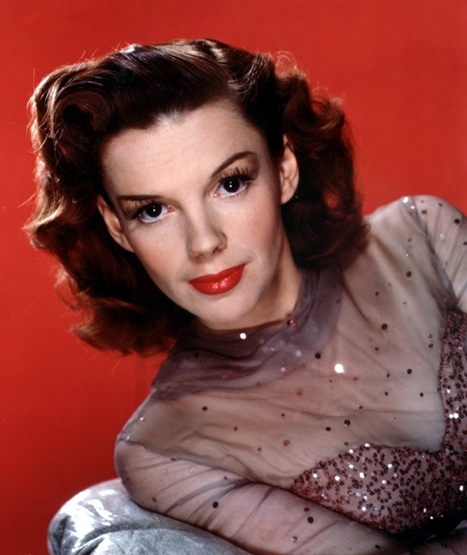
Watch Davis as Margo Channing in All About Eve (1950) and pay attention to the pauses as much as the famous party warning. Her delivery can turn a perfectly ordinary sentence into a threat. That precision, the attitude and the enormous feelings offer rich material for camp appreciation and drag.
Barbra Streisand
Streisand’s early nightclub work is still available to hear. Her Live at the Bon Soir album preserves performances recorded in 1962 and released in 2022. The small-room intimacy is a useful companion to the grander image: before the legend, there was a singer trying out a song in front of an audience.
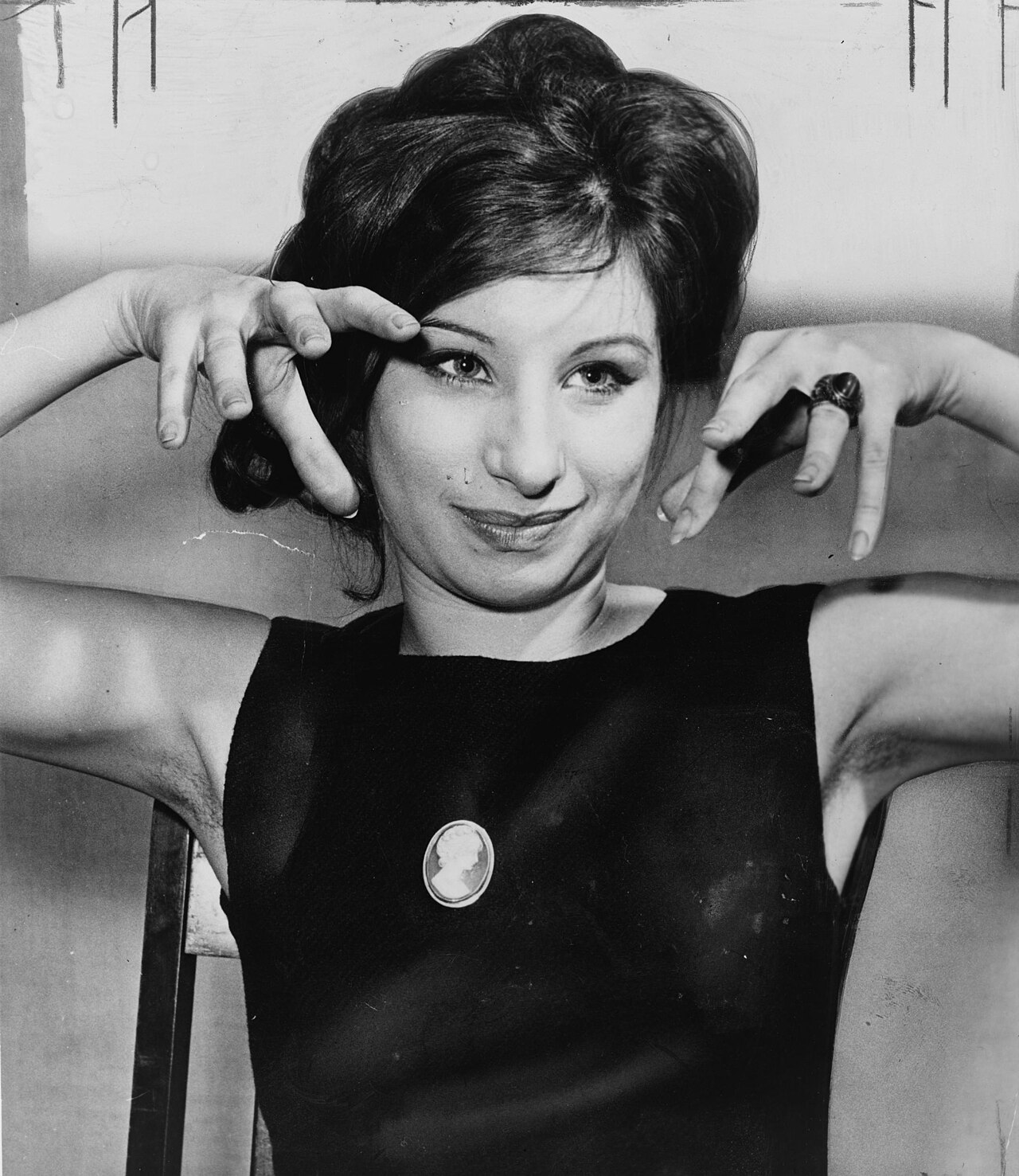
Cher
Cher makes reinvention look like a long-term occupation. “Believe” arrived in 1998, decades into her career, with a vocal effect that became inseparable from the song. GLAAD lists her among its Vanguard Award honorees. Her appeal can encompass the music, the clothes, the humor and the refusal to disappear.
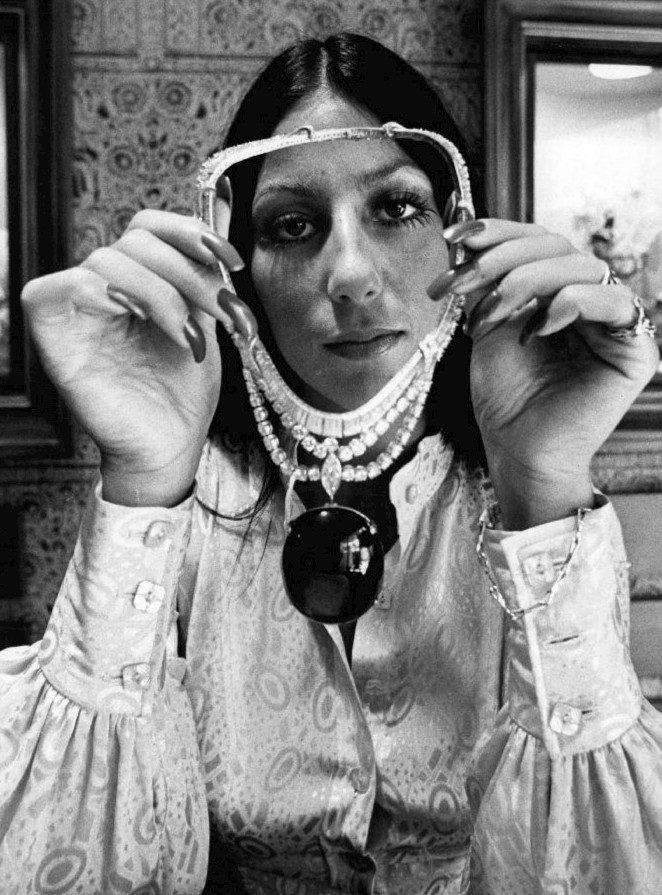
Diana Ross
“I’m Coming Out” (1980) offers an invitation that queer listeners have made their own. Its title can carry a personal declaration even when the listener’s life differs from the singer’s. Ross also brings the cinematic glamour of Mahogany (1975), another good place to start if you know only the singles.
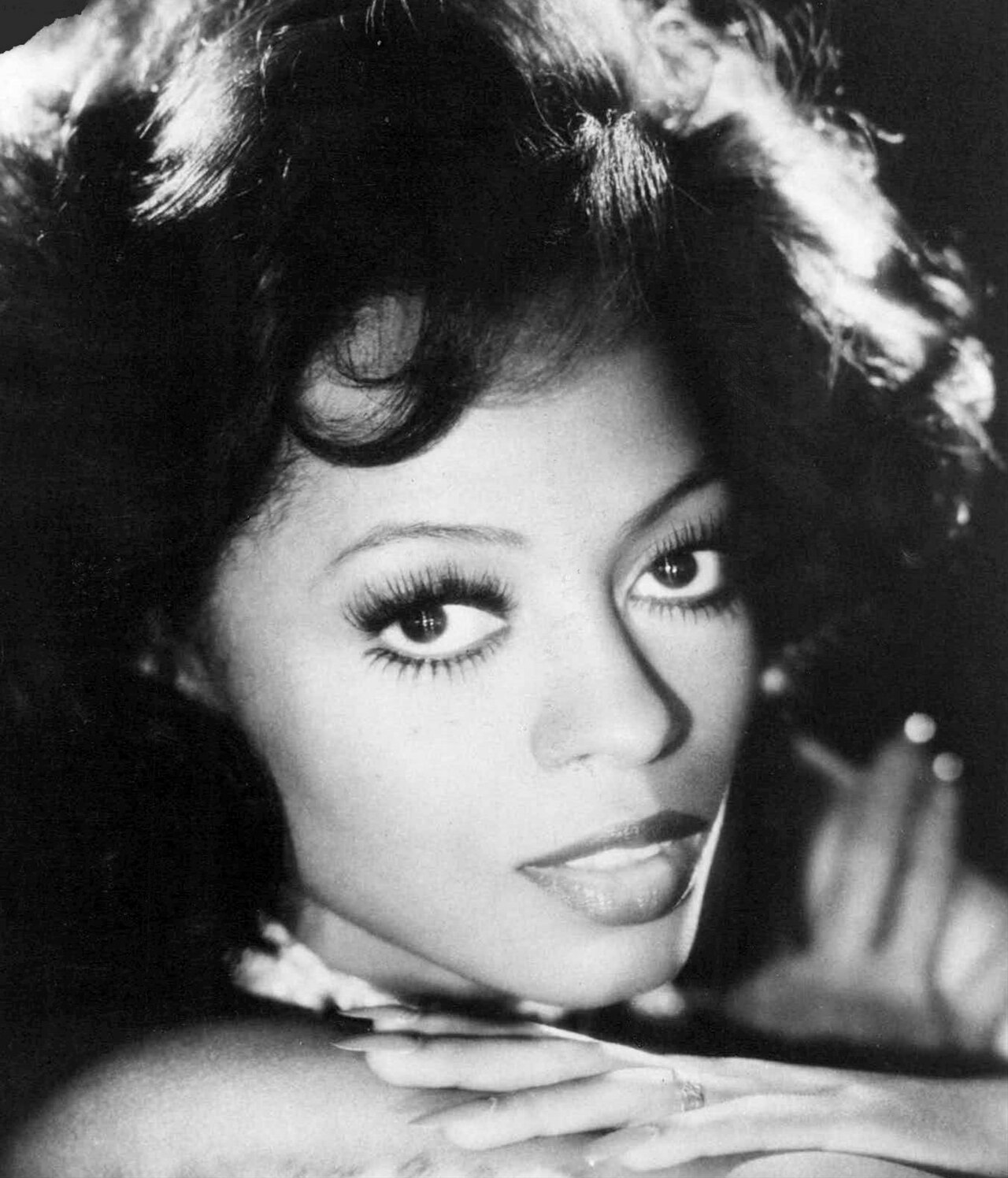
Madonna
Madonna’s “Vogue” (1990) brought ballroom movement to an enormous pop audience. That history includes the dancers whose work helped make the performance possible. A University of St Andrews discussion of Madonna and her ballroom dancers examines questions of recognition and power. Loving the record does not require crediting its star with inventing the culture behind it.

Whitney Houston
“I Wanna Dance with Somebody (Who Loves Me)” (1987) is joyful enough for a crowded dance floor, yet its longing is right there in the title. Houston can make the desire for company sound enormous. You do not need a theory of fandom to understand why people want to sing along.
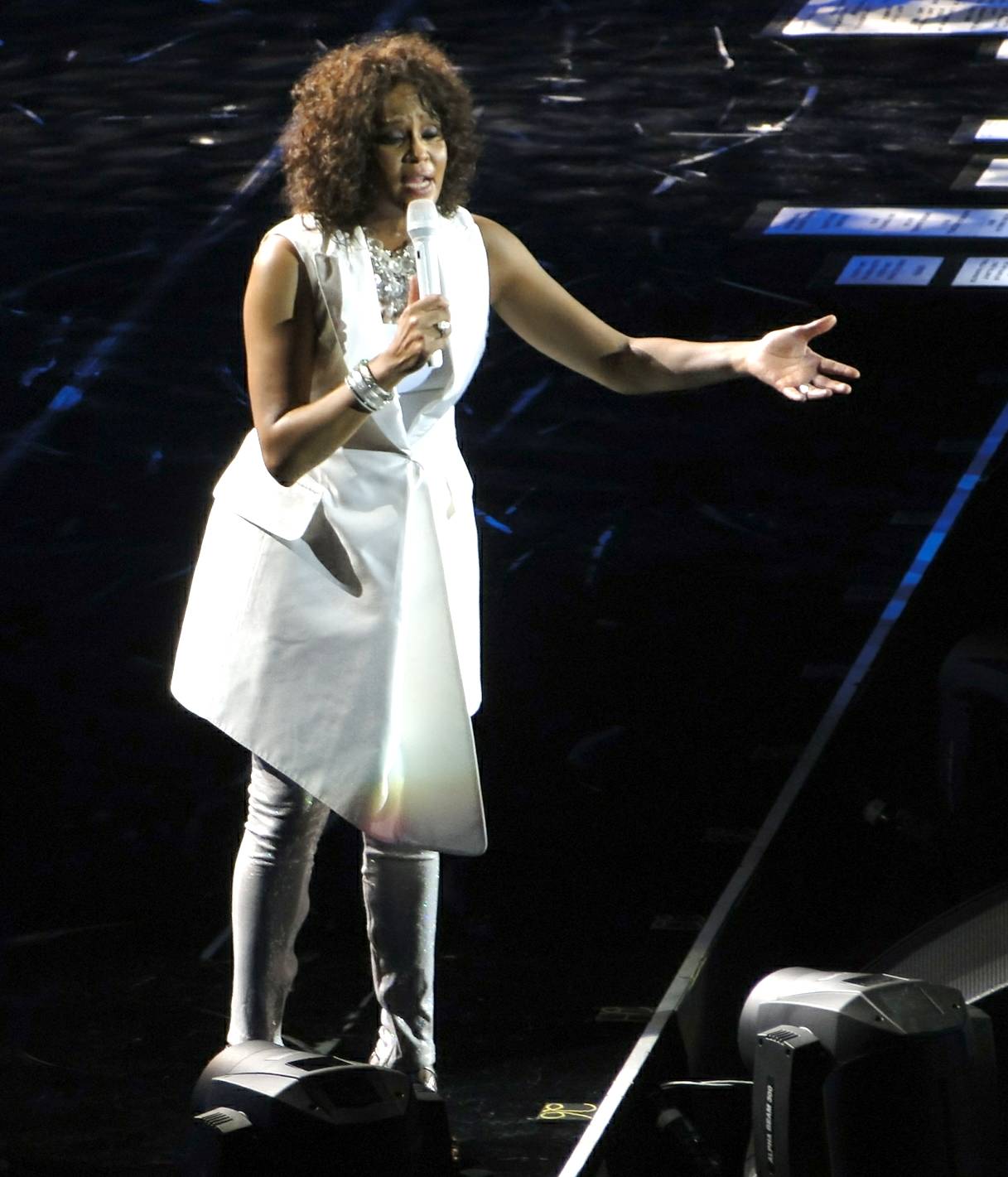
Mariah Carey
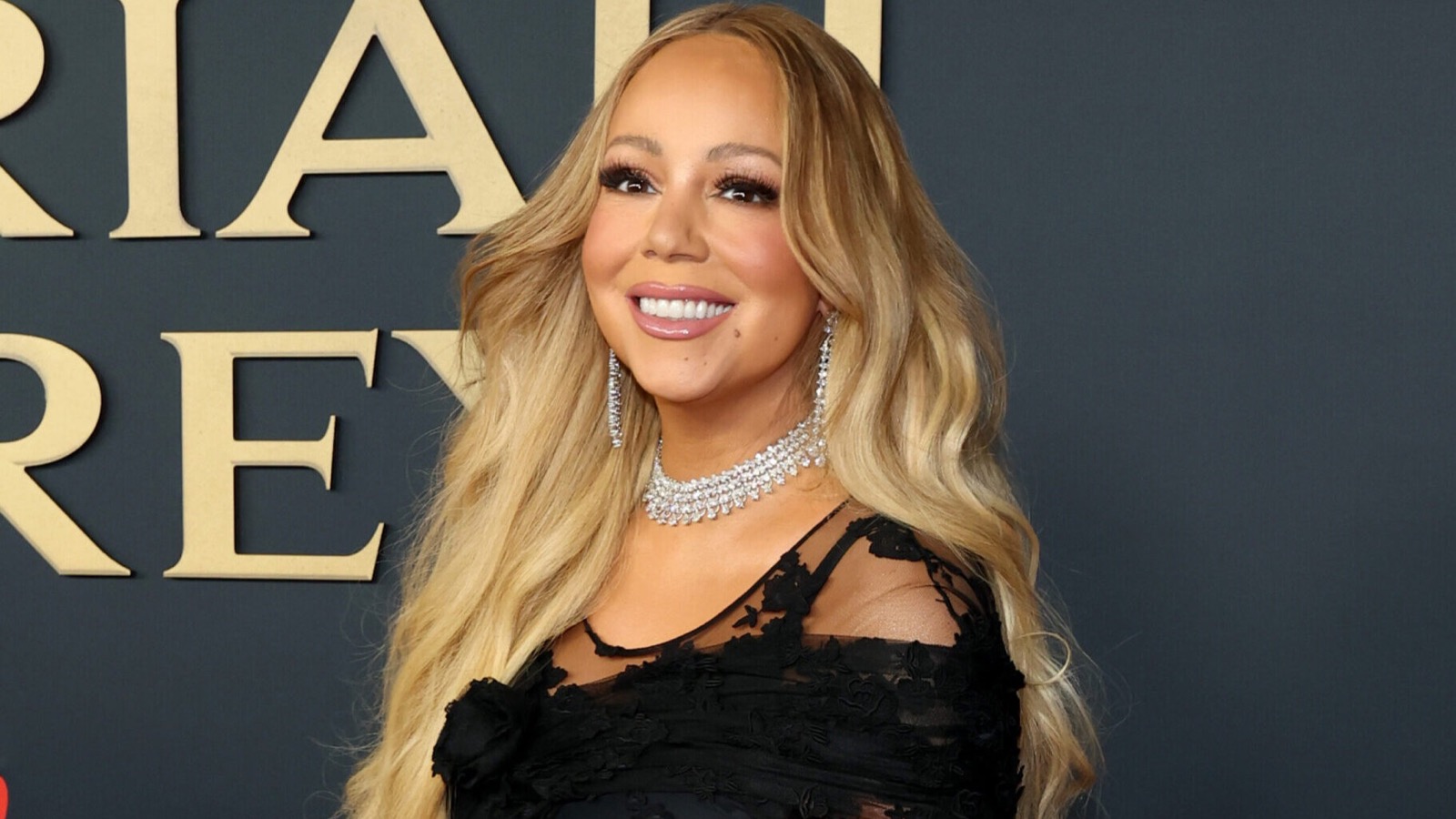
Carey received GLAAD’s Ally Award in 2016. Her acceptance speech gives a sense of the affection and humor in that relationship. For fans, the diva persona and the vocal skill are both part of the pleasure. The wink works because she knows the audience is in on it.
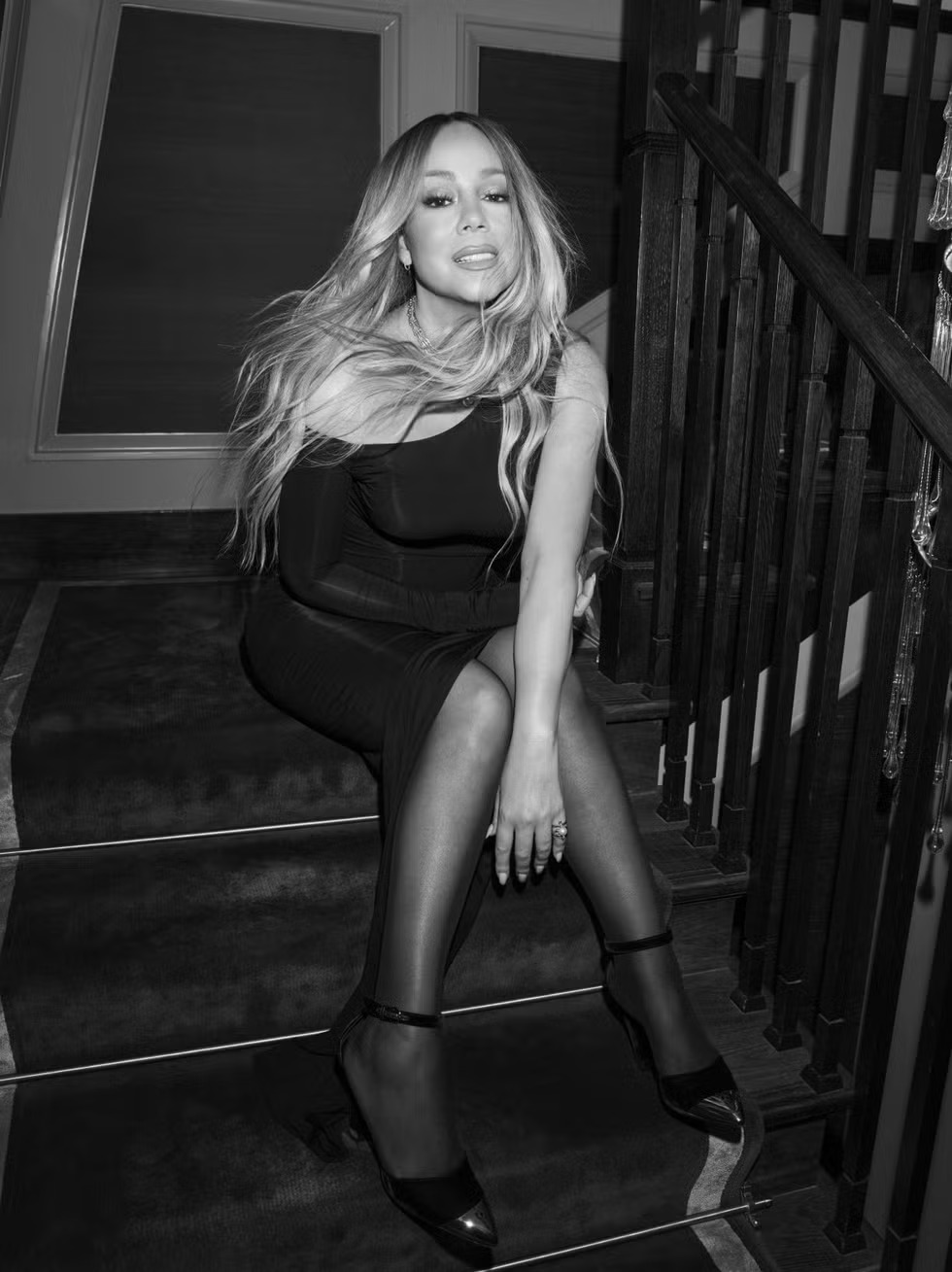
Kylie Minogue
Kylie’s relationship with queer audiences spans much more than one hit. The Australian Museum records her Mardi Gras performances in 1994 and 2012 and her appearance at the 2023 Sydney WorldPride opening concert. “Padam Padam” gave that long-running love affair another chorus in 2023.

Lady Gaga
“Born This Way” (2011) puts affirmation at the center of a pop song rather than leaving fans to find it between the lines. Gaga also co-founded the Born This Way Foundation with her mother, Cynthia Germanotta, in 2012. Its work supporting young people’s mental health gives fans another point of connection beyond the stage.

Beyoncé
Renaissance (2022) brought dance music and queer cultural references into the center of Beyoncé’s work. Earlier, GLAAD recognized Beyoncé and JAY-Z with its 2019 Vanguard Award, citing their LGBTQ+ support. Her following also shows why race belongs in a discussion of diva fandom: there is no single gay audience with a single cultural history.

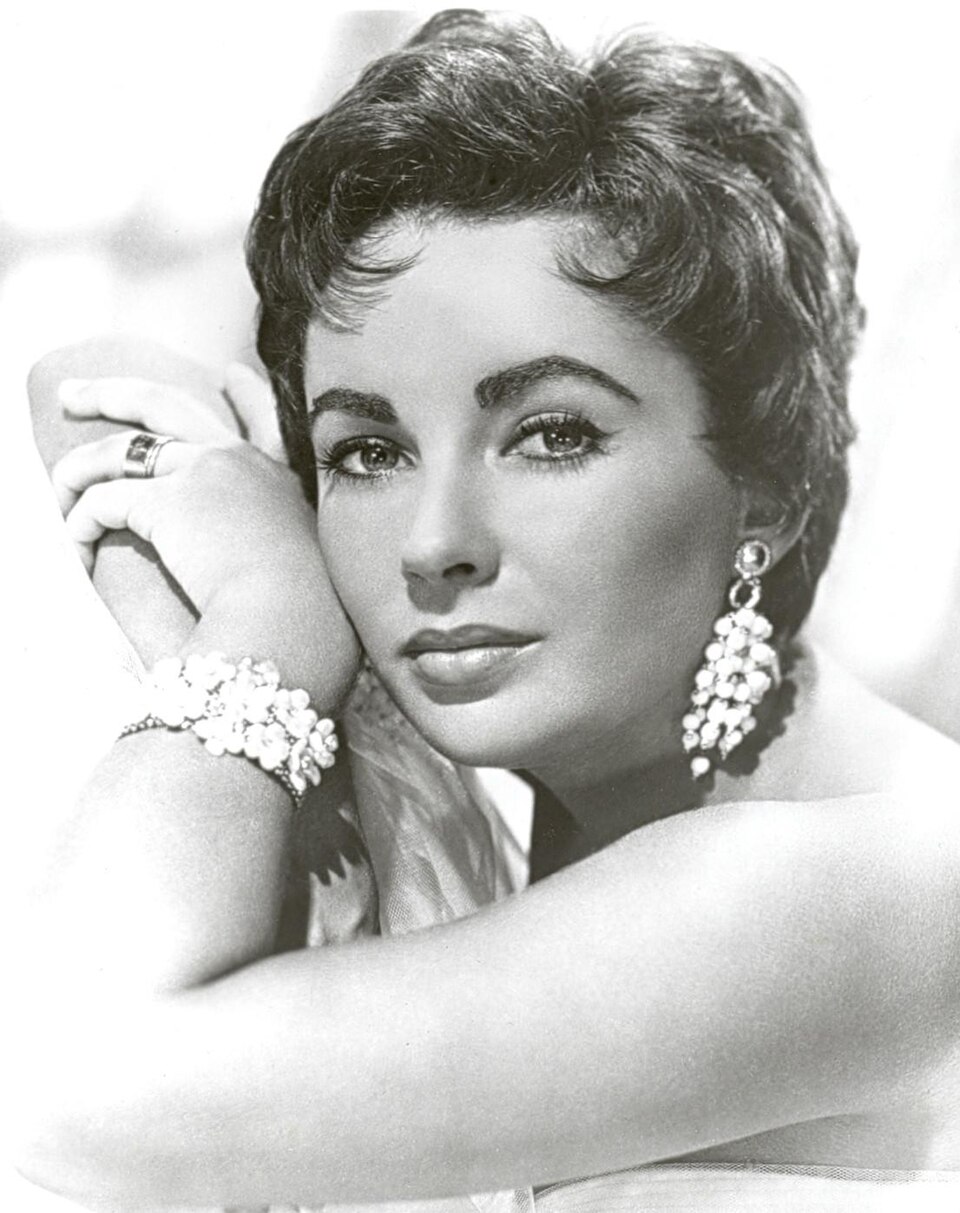
Elizabeth Taylor
Taylor’s AIDS activism is a substantial part of her legacy. She helped establish amfAR in 1985 and founded the Elizabeth Taylor AIDS Foundation in 1991. This is a different kind of star power from a club anthem: using celebrity to draw attention and resources to people who were being ignored.
Out Queer Icons Who Took the Mic Themselves
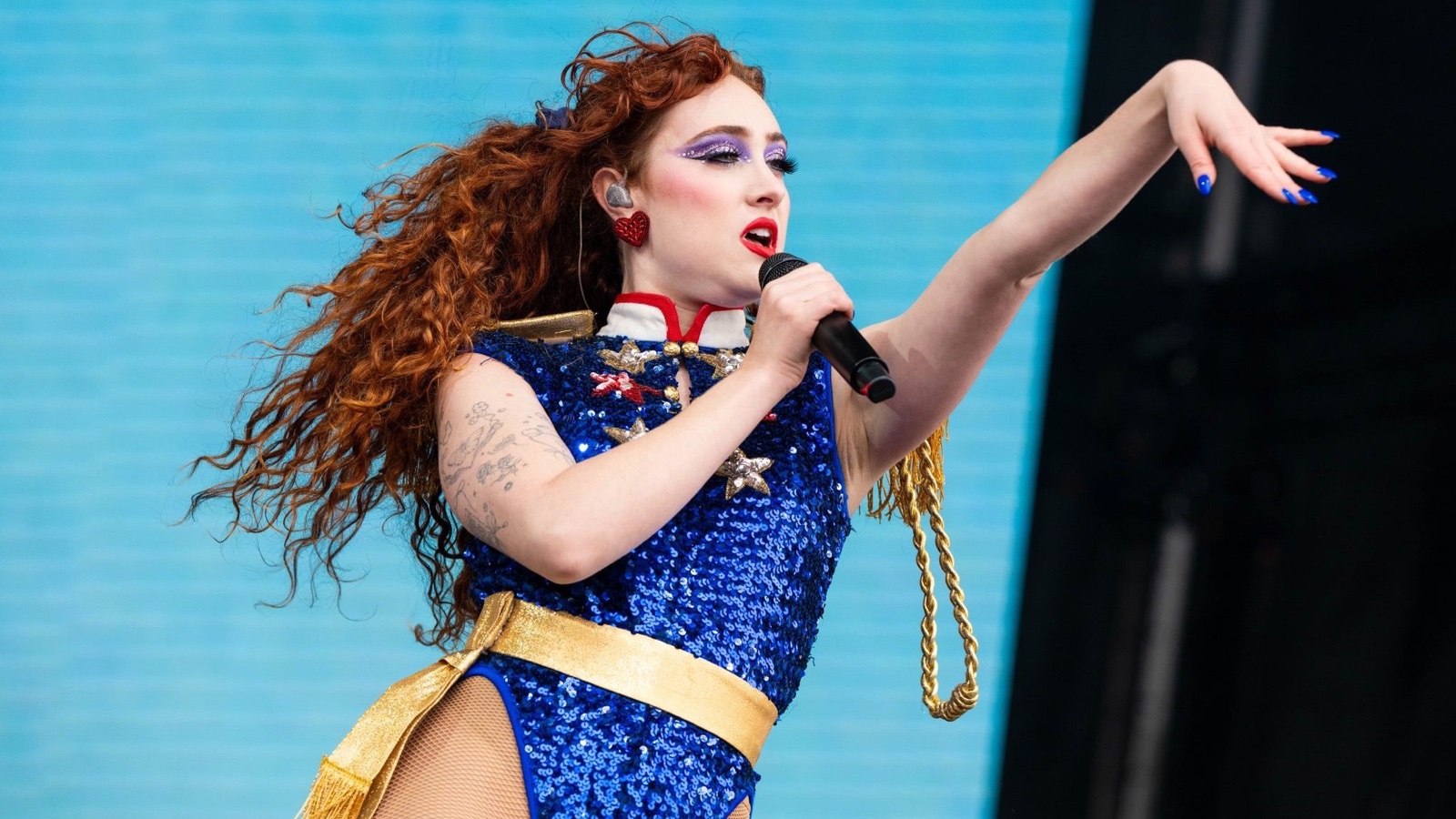
Chappell Roan brings drag, theatrical pop and lesbian experience together in her work. “Pink Pony Club” imagines the pull of a place where someone can become more fully themselves. Our guide to the song’s meaning looks at its story and background. Her audience belongs in a discussion that has too often treated gay male taste as the whole of queer culture.
Openly queer pop stars are not a recent invention. Jimmy Somerville was singing “Smalltown Boy” with Bronski Beat in 1984. Older coded forms of identification and the pleasure of seeing an out performer can coexist. One does not make the other obsolete.
Gay Anthems Every Icon Fan Should Know
| Song | Artist | Year |
|---|---|---|
| “Over the Rainbow” | Judy Garland | 1939 |
| “Dancing Queen” | ABBA | 1976 |
| “I Will Survive” | Gloria Gaynor | 1978 |
| “I’m Coming Out” | Diana Ross | 1980 |
| “It’s Raining Men” | The Weather Girls | 1982 |
| “Smalltown Boy” | Bronski Beat | 1984 |
| “I Wanna Dance with Somebody (Who Loves Me)” | Whitney Houston | 1987 |
| “Vogue” | Madonna | 1990 |
| “Believe” | Cher | 1998 |
| “Born This Way” | Lady Gaga | 2011 |
| “Padam Padam” | Kylie Minogue | 2023 |
Treat this list as a starting playlist, not an entrance exam. Add the songs your own friends know by heart. For a screen version of the conversation, start with All About Eve. You can also follow Gayety’s music coverage for artists building their own relationships with queer fans.
Gay Icons and Divas FAQ
What makes someone a gay icon?
LGBTQ+ fans give a public figure that status through their affection and identification. Music, camp style, activism, a memorable screen role or a story of reinvention can all contribute. There is no official test.
Why do gay men love divas?
Some connect with the theatricality, some with a story of survival, and some with a performer’s support for queer people. Others simply love the music. Gay men do not all have the same tastes, and diva fandom extends beyond gay men.
Who was the first gay icon?
There is no agreed first gay icon. Judy Garland is central to the modern history of diva fandom, but queer admiration for performers and other public figures predates her career.
Did Judy Garland’s funeral cause the Stonewall riots?
The funeral took place the day before the uprising began, but that timing does not establish a causal link. Treating grief over Garland as the explanation obscures police harassment and the people who resisted it.
Do lesbians and other queer people have divas too?
Yes. Queer audiences are diverse, and artists such as Chappell Roan have followings that include lesbians, gay men, bisexual people and trans fans. No group has exclusive ownership of a performer.


